Built by us, used by us
We don't just build Thicket — we run our entire company on it. Here's how.
Vesperion Gate Inc.
Software company · 2 SaaS products
The challenge
Vesperion Gate builds and operates two SaaS products — LensCherry (AI creative studio) and Thicket (project management). With a lean team managing everything — product development, infrastructure, deployments, customer support, and daily operations across both products — organization is critical. Before Thicket, work was scattered across notebooks, browser tabs, and memory. Nothing had a system.
The solution
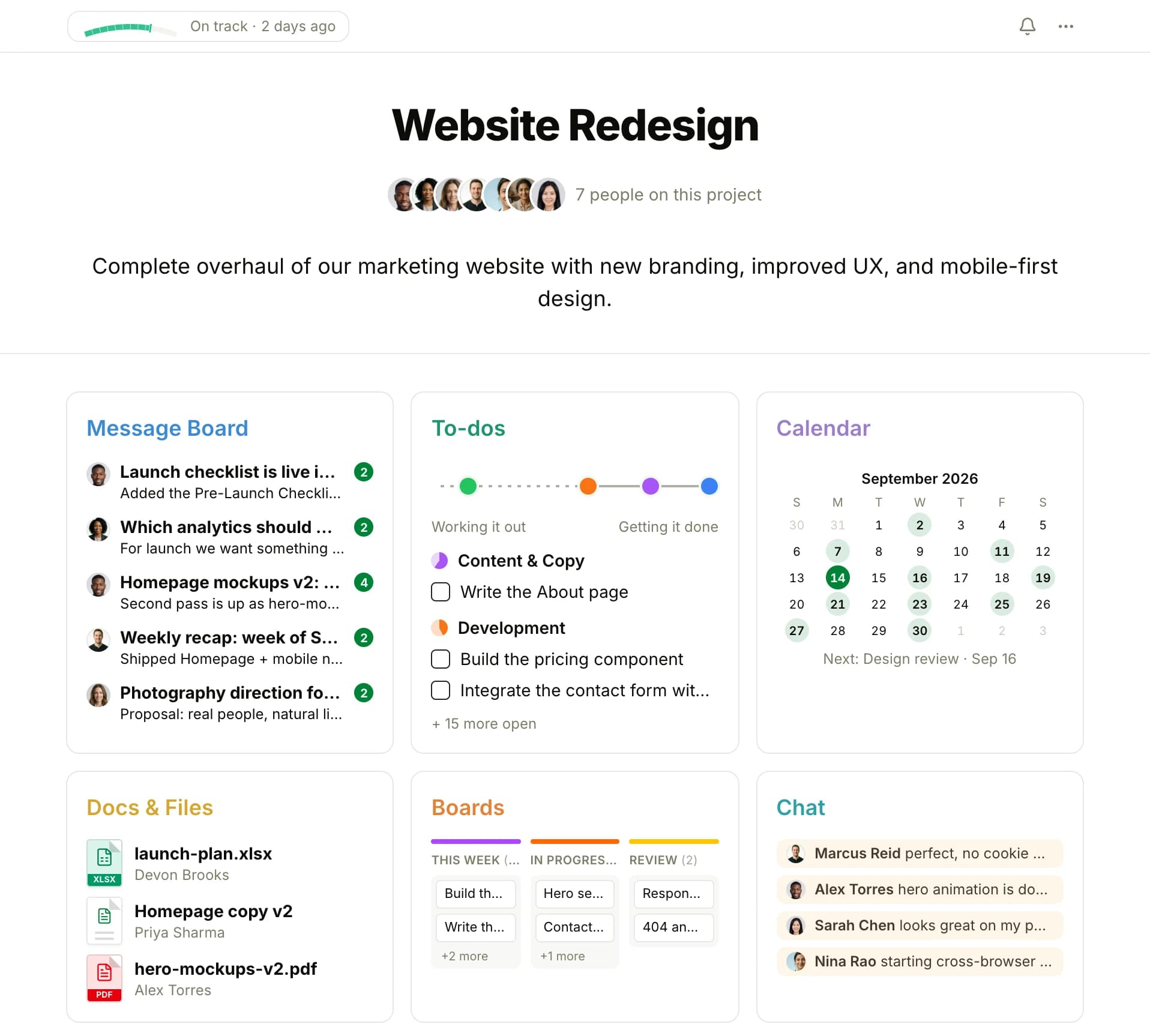
Every product lives in its own Thicket project. Roadmap items, bugs, feature requests, and documentation all have a home. Instead of context-switching between tools, everything stays in one workspace.
The real shift came with card tables. Seven daily pipelines — deployment monitoring, support triage, content review, bug intake, release staging, infrastructure checks, and metrics review — run as recurring workflows. Each morning starts with a clear picture of what needs attention across both products. Cards move through stages throughout the day, and by evening, the boards show exactly what got done and what carries over.
The outcome
Running two products with a small team requires ruthless organization. Thicket provides it without the overhead of managing the organizational system itself. No time spent maintaining a Notion wiki, no juggling between Trello and Linear, no per-seat fees eating into the budget.
Automatic check-ins gather status updates on a schedule, so progress stays visible without standing meetings. Docs hold the operational runbooks that make 2 AM incidents fixable without guesswork. And because Thicket is also the product being built, every pain point gets felt firsthand and fixed fast — the ultimate dogfooding loop.
When you build project management software and then run your whole company on it, you find the rough edges fast. Every friction point becomes a fix that ships to every customer.
— The Vesperion Gate team
Features that make it work
Projects
Each product — LensCherry and Thicket — gets its own project space. Roadmap items, bugs, and feature work stay separated so context switching between products doesn't mean losing your place.
Card Tables
Seven daily pipelines run as card tables: deployment monitoring, support triage, content review, bug intake, release staging, infrastructure checks, and metrics review. Cards move through stages throughout the day, giving a clear picture of what's done and what needs attention.
Docs
Technical runbooks, architecture decisions, and operational procedures live in Thicket Docs. When something breaks at 2 AM, the fix is documented — not buried in a Slack thread from six months ago.
Automatic Check-ins
Recurring questions — what shipped today, what's blocking, how did the week go — go out on a schedule and collect everyone's answers in one place. Status stays visible without anyone writing a status meeting into the calendar.
Frequently asked questions
Can a small team really manage multiple products with Thicket?
Yes. Vesperion Gate manages two SaaS products and seven daily operational pipelines entirely inside Thicket. Projects keep each product organized, card tables visualize pipeline status at a glance, and automatic check-ins collect recurring status updates without anyone chasing them.
What are factory pipelines in Thicket?
Factory pipelines are recurring daily workflows managed through card tables — Thicket's kanban-style boards. Each pipeline represents a repeatable process (like deployment monitoring, support triage, or content review) where cards move through stages. Vesperion Gate runs seven of these daily across its products.
How does Thicket compare to per-seat tools for small teams?
Thicket charges $49/month flat — no per-user fees. For a small team that occasionally brings in contractors or collaborators, this means you can add people to specific projects without worrying about cost. Per-seat tools like Asana or Monday.com charge $10–$30 per user per month, which adds up fast even for small teams.
Which Thicket features does Vesperion Gate use most?
Projects for product-level organization, card tables for daily pipeline tracking, Docs for technical documentation and runbooks, and automatic check-ins for recurring status updates. The combination replaces what would otherwise require four or five separate tools.
Do you have more case studies?
We're adding more customer stories over time. If you'd like to share how your team uses Thicket, reach out at [email protected] — we'd love to feature your story.
Your team's story starts here
If a small team can manage two products and seven daily pipelines with Thicket, imagine what your team can do.